
Georgetown City Directory Collections
Georgetown has several practical routes to historical directories, but no official source located in the research identifies a complete local publisher list or a year-by-year run. That absence matters. A catalog result or an actual title page must confirm the edition before it is cited. The Georgetown Public Library Texas History Room, the Texas State Library and Archives Commission, the Portal to Texas History, and the University of Texas Briscoe Center are the starting places for checking what survives. The table separates documented access routes from unverified Georgetown editions, so a directory lead does not become a claim that a particular volume exists.
| Collection | Years or Run | Publisher or Type | Where Held | Access |
|---|---|---|---|---|
| Georgetown historical volumes | Complete run not confirmed | Publisher not confirmed | Georgetown Public Library Texas History Room; TSLAC; digitized collections where available | Check catalog or scan; local and state reading-room access may apply |
| Reverse or criss-cross directories | Local years not confirmed | Address-order directory format | TSLAC, library collections, and digitized directory collections | Use a verified volume; TSLAC documents the method |
| Georgetown newspapers and obituaries | Titles and full years not confirmed | Local newspaper microfilm | Georgetown Public Library Texas History Room | Use announcements and obituaries as dated companion evidence |
| Williamson marriage records | Records 1848-1934; index runs extend to 1942 | County marriage records | TSLAC reels and county clerk originals | Historical family-link source, not an address directory |
A printed directory is most useful when its limitation is kept visible. A missing year may reflect a gap in the shelf, the catalog, the digitized collection, or the original publication history. It does not prove that a person was absent from Georgetown. Likewise, a listing can lag behind a move because the volume was prepared before the household changed address. Record the publication year, edition, printed page, and section before moving to another source.
Georgetown's Texas History Room
The local first stop is Georgetown Public Library's genealogy route and its Texas History Room. The library's official feature sheet identifies the room, local publications, and genealogy guidance, while the Austin Genealogical Society reports newspapers and census on microfilm among the local-history resources. Search the library catalog before a visit, then ask staff about directory titles, reverse listings, yearbooks, obituary indexes, and the reader or printer rules for microfilm. The research did not confirm current room hours, database names, or a directory shelf list, so those details need direct confirmation with the library at 512-930-3551.
The official library history feature also points to local publications and the story of Mary Smith Bailey, who taught for 39 years in segregated Williamson County schools and founded West Side Kindergarten in 1953. That kind of local-history context helps explain a name, a school, or a neighborhood reference found in a Georgetown directory. It is context, not a substitute for the dated directory page itself.
Digitized Georgetown Directory Routes
The TSLAC city-directory guide directs researchers to digitized material in the Portal to Texas History, where collection searches can be narrowed by county and time period. TSLAC's own print and microform holdings are generally used onsite in the Austin Reference Reading Room. Its staff do not provide phone searches, transcriptions, or email scans. The University of Texas Briscoe Center also holds telephone and city directories for many Texas towns from the late nineteenth century forward, but neither access path proves that every Georgetown year is online.
Use the Portal to Texas History collections browser to narrow a search by place and date before assuming a scan represents Georgetown. The captured Georgetown city directory research route is shown below.
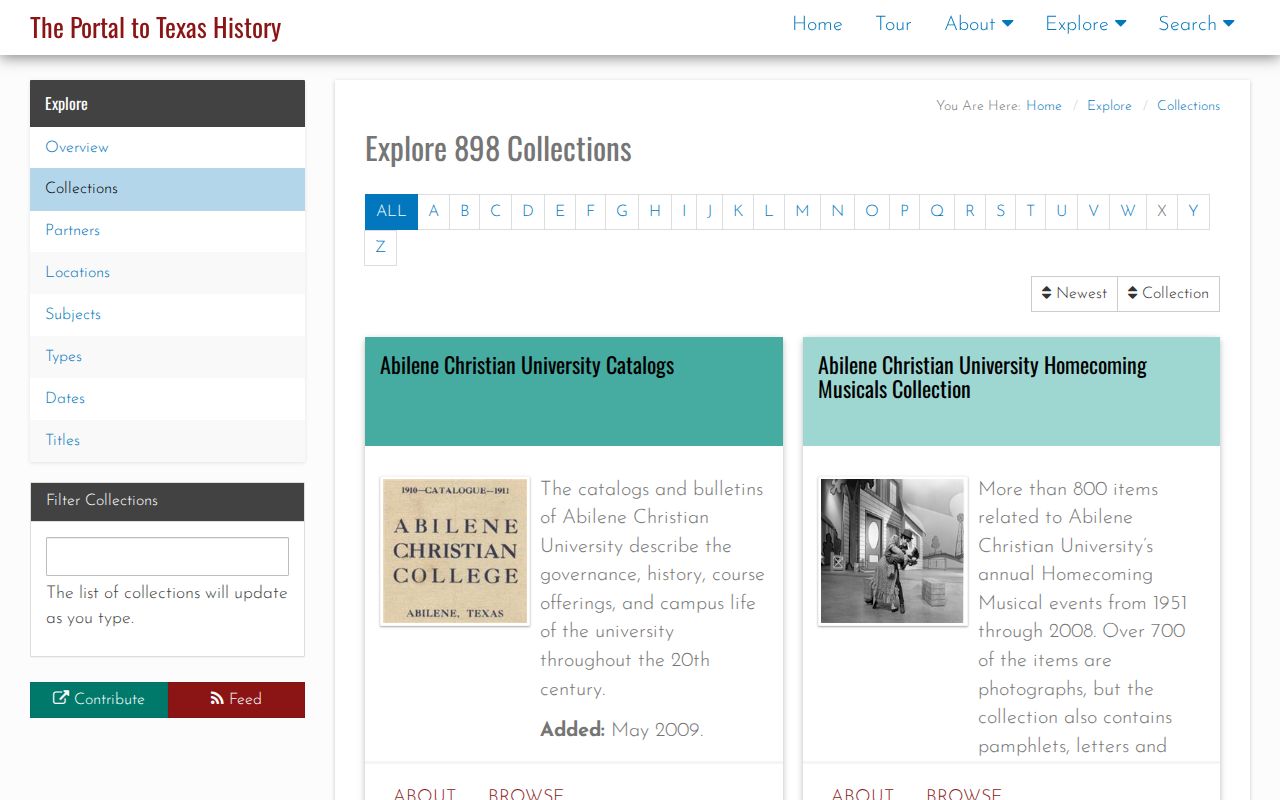
The collection browser is a discovery tool. Its appearance does not confirm a particular Georgetown directory volume, publisher, or run. Once a candidate turns up, preserve the collection owner, original caption or title, and date, then compare it with the volume's title page and local catalog information.
For material that is not digitized, TSLAC explains that microfilm can be used at a depository or requested through interlibrary loan. Its access page gives a contact route and says a lending library generally receives 14 days plus a 14-day renewal. TSLAC does not issue certified copies from microfilm, which is another reason to separate archival reading from an official copy request.
Reading a Georgetown City Directory
No accessible Georgetown directory page was located during the research, so the fields below are an inventory for a verified volume rather than a reconstruction of a local entry. TSLAC says city-directory entries commonly include a name, address, telephone, and spouse. Some also carry an occupation or an owner or renter mark. Transcribe only what the page prints. An initial, an abbreviated spouse reference, or a mark can change meaning from one publisher or edition to another.
| Name line | Preserve the surname, given name, initials, and punctuation exactly as printed. |
|---|---|
| Family notation | Capture spouse or widow notation only when the volume prints it; do not expand an abbreviation by guesswork. |
| Residence | Copy the street name, number, apartment or room detail, and telephone when present. |
| Occupation field | Note an occupation or named business only when it appears in the entry. |
| Status mark | Record an owner or renter mark only if that particular edition defines and prints one. |
| Source citation | Keep the directory year, publisher, edition or city, page, alphabetical section, and any reverse street section. |
- Criss-cross directory
- A reverse section arranged by street address, used to find an occupant lead from a known address when the volume includes it.
- Householder index
- An index that identifies the household name associated with an address or listing, subject to the coverage of that volume.
- Abbreviation key
- The volume's own guide to shortened words and marks. Photograph or note it before interpreting entries.
Read the entry beside its neighbors and then consult the street or reverse section when present. A directory's address is a dated clue, not continuous-residence proof. Deeds, tax records, census schedules, obituaries, cemetery information, and permits can test whether the name, place, and date all describe the same person.
Georgetown Reverse Directory Method
Reverse and criss-cross volumes turn an address into a possible occupant lead. TSLAC documents this address-to-name method, but the exact Georgetown years remain unconfirmed. Start with the street name exactly as printed in the volume. Check nearby house numbers and the alphabetical section for the surname you find. If a street has changed spelling, number pattern, or addition name, preserve both forms in the research notes instead of forcing a modern address into an older format.
Verification tip. The original Georgetown plan began with a 52-block public-square grid in 1848. For an older place reference, compare the directory wording with plats, deeds, and the period map before treating a modern street name as a match.
For a building-era check, the Library of Congress has a May 1916 Georgetown Sanborn set with six sheets. It can help place a block or structure at a point in time, but it is not a household list. That distinction keeps an address lead from becoming an unsupported claim about who lived there.
Trace Georgetown City Directory Households
Following a household works best as a sequence of dated checks. A Georgetown annual listing gives one publication-era view, while a census captures residence for its own census date. Pair them rather than treating either one as a full-year account. The comparison also makes gaps useful: a changed initial, spouse notation, telephone, or street number points to the next record that needs checking, not to a conclusion by itself.
- Begin with a verified directory volume and copy the name, address, page, and all printed marks exactly.
- Check the preceding and following available volumes for spelling changes, address moves, or a missing listing.
- Read the reverse or criss-cross section when the volume has one, then note adjacent addresses as leads rather than proof of a shared household.
- Pair the directory year with a legally released federal census schedule, remembering that the census residence applies to its census date.
- Test the trail against a deed or legal description, tax record, obituary, cemetery interment, or permit case with its own date.
A disappearance can mean a move, a death, an unlisted telephone, a publication lag, or a missing volume. Georgetown cemetery data can offer a later bridge because the public service includes burial names and dates, purchaser and sales-address fields, and plot status. A reserved or available plot is not evidence that a person lived in Georgetown.
The Georgetown cemetery plot service is a separate, public family-history source that can be checked after a directory trail reaches a death or interment lead.
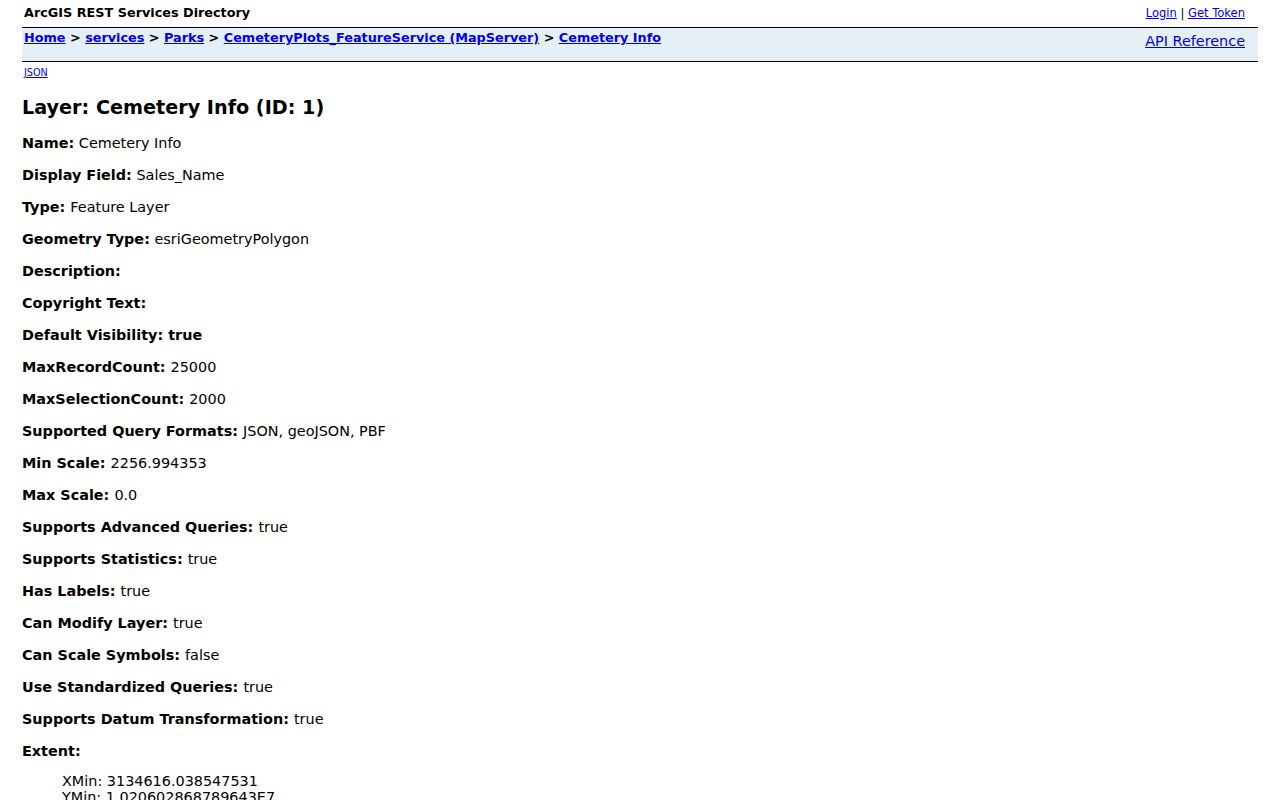
Its plot, burial, purchaser, sales-address, and status fields may help identify a record to cross-check. Keep an interment result separate from a city-directory residence claim.
Georgetown Genealogy Chat Route
The Williamson County Genealogical Society offers a local route for family-history questions without presenting itself as a current-resident list. Its Georgetown Genealogy Chat meets on the first Tuesday in the Georgetown Public Library's second-floor Texas History Room. The society gathers and preserves historical and genealogical data, publishes The Roundup, and lists its semiannual The Chisholm Trail journal run as 2011-2024. A joint collection connection with Round Rock Library and library-card access to a subscription genealogy database may provide another way to identify a county record series or read a hard-to-place name.
Use the WCGS site to confirm the meeting and collection details before relying on them. Bring the directory year, exact spelling, street wording, and a short list of records already checked. That makes it easier to ask a focused question about Georgetown place names, family variants, newspaper microfilm, church finding aids, or the archival trail that follows a directory entry.
Georgetown Marriage Record Geography
Georgetown has been the Williamson County seat since 1848, so early family records often point to county repositories even when an annual listing is missing. The TSLAC Williamson guide documents marriage records from 1848 through 1934 and multiple index runs. A marriage index can connect names across time, especially when a directory uses initials or a widow notation, but it does not establish a residence. Use the dated address, marriage record date, and other records as separate facts that must agree.
- 1848 - Georgetown was founded as county seat, placing early county record geography around the courthouse and public-square grid.
- 1848-1914 - TSLAC identifies a Williamson marriage index on reel 1008755.
- 1866-1867 - Freedmen's marriages are individually indexed behind volume 3.
- 1914-1925 - A later marriage index is listed on reel 1007899.
- 1925-1942 - Another index run is listed on reel 1579018, beyond the 1848-1934 record-series dates noted in the guide.
The TSLAC Williamson County guide also identifies deeds, probate, tax rolls, naturalization, and court material. These record groups are useful when a Georgetown volume leaves a year blank, but each one answers a different question and carries its own date and indexing limits.
Georgetown Oral History Leads
Preservation Georgetown connects the directory trail to Texas History Room files, the Williamson Museum, historical commissions, and Georgetown Heritage Society oral-history books from 1985-1987. Oral histories can surface the old names of schools, churches, streets, and longtime residents. They are especially useful for deciding which directory spelling, census household, deed, or newspaper reference should be checked next. A remembered address or a photo caption is a lead, not proof of residence.
Review the Preservation Georgetown resources page for this local archive path.
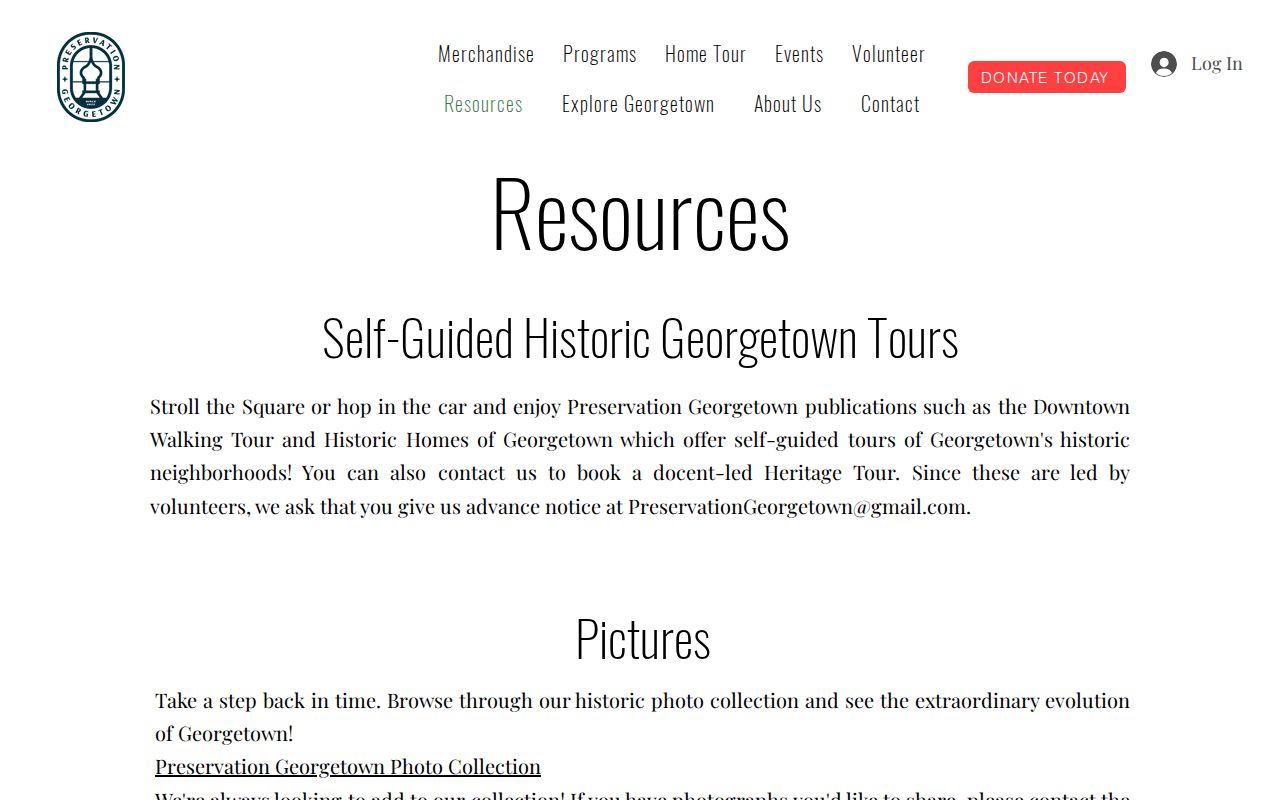
The resource list provides a bridge from a Georgetown directory name to local-history material, but it does not replace a dated record. The Williamson Museum's Portal to Texas History partner collection includes photographs from the 1860s through the 1970s, and its metadata, collection owner, and original caption should be saved alongside any directory research notes.